⚡ Quick Summary
| 🛂 Visa processing time | 3 days–12 months, depending on type |
| 💰 Average rent (1-bed, Auckland) | NZD $1,400–$2,500/month |
| ☕ Cost of a flat white | NZD $5.50–$6.50 (worth every cent) |
| 🏥 Public healthcare | Yes — available to residents & most visa holders |
| 🚗 Car needed? | Outside main cities, almost certainly yes |
| 🌡️ Best cities for affordability | Christchurch, Hamilton, Nelson |
| 📋 First things to sort on arrival | IRD number → bank account → KiwiSaver |
| 🏉 Most important cultural tip | Don’t brag. Learn the haka. Queue properly. |
Let me guess. You’ve spent the last six months refreshing New Zealand subreddits, watching YouTube vlogs of suspiciously happy people hiking through Fiordland, and quietly calculating whether your salary would survive the conversion rate. You’ve told yourself it’s just a phase.
It is not a phase. You’re moving to New Zealand.
This guide is everything I wish someone had handed me before making the move — written for someone who has actually been through the visa stress, the apartment hunting despair, and the very specific grief of paying $6 for a bag of frozen peas. Let’s get into it.
🌏 Why New Zealand, Though?
People relocate to New Zealand for all kinds of reasons. Better work-life balance. Safer streets. Clean air. Scenery that looks like someone turned the graphics settings up to maximum and forgot to turn them back down.
According to the 2024 Global Peace Index published by the Institute for Economics and Peace, New Zealand ranks 4th in the world for peacefulness and is the most peaceful country in the entire Asia-Pacific region — ahead of Australia, Japan, and Singapore. That’s not a tourism board talking. That’s a data-driven index covering 163 countries.
What the surveys don’t capture is that New Zealand has a sneaky way of making the rest of the world feel slightly broken by comparison. You’ll visit home after a year and find yourself baffled by the traffic, the noise, and the general aggression of everyday public life. You’ll come back to New Zealand and exhale in a way you didn’t know you’d stopped doing.
That said — it’s not perfect. The houses are cold, the internet in rural areas is occasionally a suggestion, and the country is about as far from everywhere else as it’s possible to be without technically being in the ocean. Going home for Christmas is a mission. A very expensive mission.
But ask almost anyone who made the move? They’ll tell you they’d do it again.
📋 Visas: Where Hope Meets Bureaucracy
Right. The fun bit. New Zealand’s immigration system runs on points, skills, and the quiet creeping suspicion that processing times are measured in geological epochs.
Start your visa research earlier than feels necessary. Then start earlier than that.
Here are the main routes in 2026:
→ Skilled Migrant Category Visa — A points-based system rewarding qualifications, experience, and ideally an existing job offer in New Zealand. Immigration NZ publishes a Green List of in-demand roles. If you’re a nurse, civil engineer, builder, or secondary school teacher, that list is basically a welcome mat with your name already on it.
→ Work to Residence Visa — For people who’ve landed a job with an accredited Kiwi employer. Work for two years, demonstrate you’re not terrible at said job, and apply for residence. Think of it as the slow cooker of visa options: takes longer, but the results are reliable.
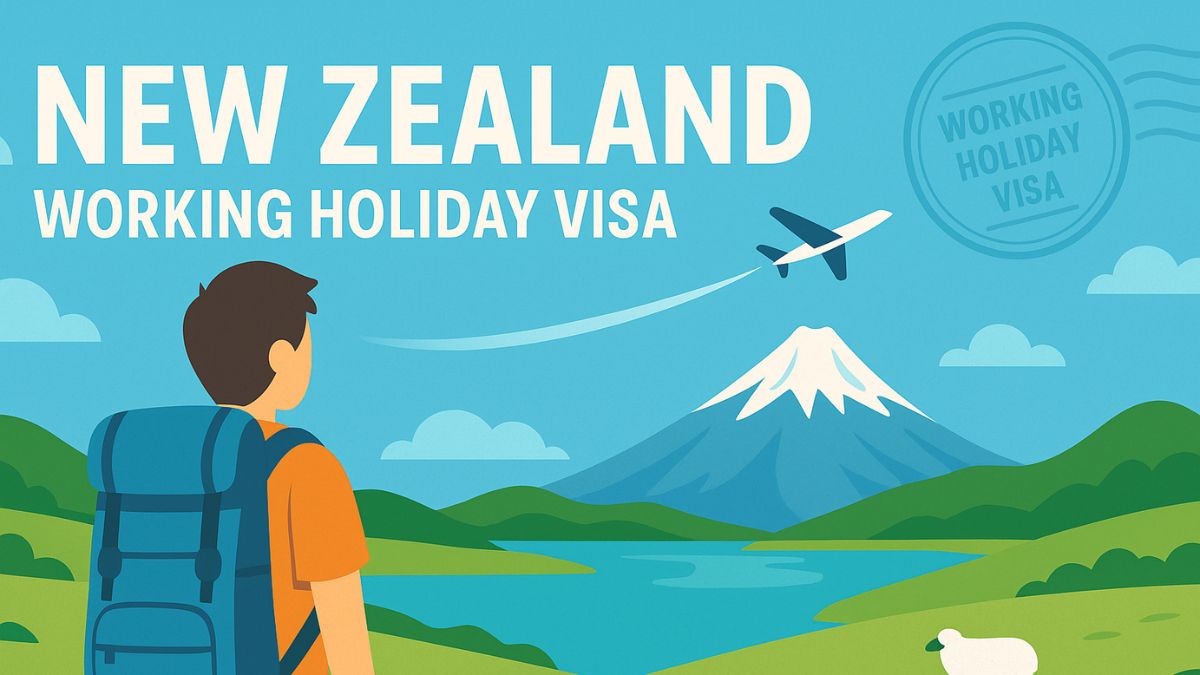
→ Working Holiday Visa — Available to citizens of 40+ countries, usually for those aged 18–30 (or 35, depending on where you’re from). You come for a year, work wherever you like, fall completely in love with the place, and spend the next twelve months figuring out how to stay permanently. The working holiday → permanent residency pipeline is more common than immigration officials probably intended.
→ Partner Visa — Moving because of a New Zealand citizen or resident partner? This is your route. You’ll need to prove your relationship is genuine — think photos, shared lease agreements, a text chain showing you argue about whose turn it is to do dishes. Bureaucracy, but make it romantic.
⚠️ One important note: Immigration New Zealand’s website is comprehensive, occasionally bewildering, and absolutely worth reading in full. If your situation is at all complicated, an immigration adviser is worth every cent. This is not the place to wing it.
🏙️ Picking Where to Live (The Argument That Never Ends)
Ask five New Zealanders where you should live, and you’ll get five different answers, each delivered with the quiet confidence of someone who has never seriously entertained the alternatives.
📍 Auckland is where most people land, for good reason. It’s the biggest city, has the most jobs, the most diversity, and — it must be said — the most traffic. Housing is expensive; according to Stats NZ’s 2025 Housing Report, the median Auckland rent sits above NZD $600/week for a three-bedroom. The city sprawls across an isthmus dotted with 53 extinct volcanoes, which is both geologically fascinating and a real pain when you’re trying to cross town at 5 pm.
📍 Wellington is the city everyone who doesn’t live there underestimates, and everyone who does live there is slightly smug about. Compact, walkable, and with a café culture so strong it borders on competitive. It is also windy in a way that becomes a personality trait — locals will mention it within five minutes of meeting you. The wind is real. Bring a jacket. If you work in government, tech, or the arts, Wellington might be your people.
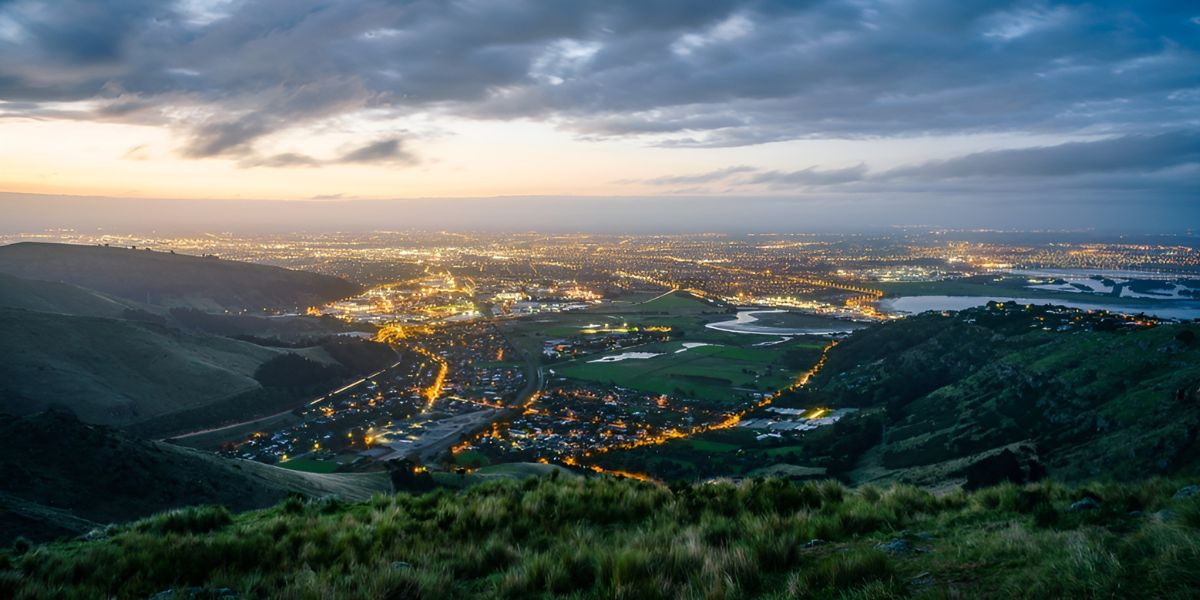
📍 Christchurch is the South Island’s largest city and one of the most underrated relocation destinations in the country. Still writing its next chapter after the 2011 earthquakes, what’s emerging is genuinely exciting — excellent food, world-class cycling infrastructure, and the Southern Alps sitting right there like a screensaver that never gets old. Housing is considerably more affordable than in Auckland, and the pace of life is noticeably less frantic.
📍 Queenstown is beautiful, chaotic, and expensive. It’s a ski resort town that became a city, which means world-class adventure on your doorstep and the surreal experience of doing your grocery shopping surrounded by people still in ski boots. Makes total sense if you’re in hospitality or tourism. If you’re hoping for quiet, keep scrolling.
📍 Regional NZ — Hamilton, Tauranga, Nelson, Whanganui, Napier — deserves far more credit than it gets. Smaller cities mean shorter commutes, tighter communities, more house for your money, and a pace of life that people from big cities find either deeply refreshing or deeply unsettling, depending entirely on who they are.
🏠 Finding a Flat Without Losing Your Mind
The New Zealand rental market — particularly in Auckland and Wellington — is competitive. This is the polite way of saying that good rentals go fast, landlords receive a lot of applications, and you will absolutely be writing a cover letter for a rental property and feeling a very specific kind of humiliation nobody warned you about.
Write it anyway. It genuinely works.
Where to search:
- 🔎 Trade Me Property — the main platform, non-negotiable
- 🔎 Realestate.co.nz — also widely used
- 🔎 Facebook Marketplace — surprisingly active for flatmates and short-term listings when you first arrive and need somewhere to land
Most rentals are unfurnished. You’ll be buying things off Trade Me in the first few weeks — which is fine, because New Zealand’s second-hand market is excellent and your flat doesn’t need to look like a boutique hotel on day one.
Bonds are capped at four weeks’ rent and held by a government body (not the landlord), as required under the Residential Tenancies Act 1986. You’ll get it back at the end of your tenancy if all is in order — a remarkably civilised system compared to a lot of countries.
💡 Know your rights under the Healthy Homes Standards — landlords are legally required to meet minimum standards for insulation, heating, and ventilation. If a property looks damp or cold, it’s not just uncomfortable; it may well be non-compliant.
💸 The Cost of Living: Let’s Be Adults About This
New Zealand is not cheap. The combination of geographic isolation, small population, and high import costs means that everyday items cost more than you’d expect. The first grocery shop is a rite of passage that humbles everyone, no exceptions.
According to Numbeo’s 2025 Cost of Living Index, New Zealand ranks among the more expensive countries in the Asia-Pacific region — though wages generally track accordingly.
Rough numbers for 2026:
| 📦 Expense | 💰 Estimated Cost (NZD) |
| 1-bed apartment, central Auckland | $2,000–$2,500/month |
| 1-bed apartment, Wellington | $1,800–$2,200/month |
| 1-bed apartment, Christchurch | $1,400–$1,800/month |
| Groceries (single person) | $400–$600/month |
| Mid-range dinner for two | $80–$120 |
| A flat white ☕ | $5.50–$6.50 |
The flat white is, in almost every case, worth it. New Zealand takes coffee seriously, and the standard is remarkably high even in places that have absolutely no business making excellent coffee.
The good news: wages are solid, healthcare is largely covered once you qualify, and you’ll likely spend less on the quiet things that drain your wallet elsewhere — long commutes, stress purchases, the psychological cost of living somewhere with bad weather nine months of the year.
🏥 Healthcare: Better Than You Might Expect
New Zealand’s public healthcare system is funded through general taxation. Residents and people on many visa types can access GP visits (typically NZD $20–$70 co-payment), hospital care, and specialist referrals — all covered.
The genuine star of the system is ACC — the Accident Compensation Corporation. According to ACC’s own overview, it’s a no-fault accident insurance scheme covering everyone in New Zealand, citizens and visitors alike, for any injury, regardless of how it happened. Fell off your bike. Broke something at football. Got taken out by a reversing car in a supermarket car park. ACC covers treatment, rehabilitation, and in some cases, lost income.
There’s nothing quite like it in most countries. Once you understand how it works, you’ll wonder how anywhere functions without it.
⚠️ Waitlists for specialist care in the public system can be long. Many people top up with private health insurance — Southern Cross is the biggest provider, though it’s worth comparing options. A basic plan is reasonably priced and can save you a lot of time sitting in uncomfortable chairs.
🏦 Sorting the Admin (IRD, Banks, KiwiSaver)
Before you can do basically anything financial in New Zealand, you need an IRD number — your tax identifier. Apply through ird.govt.nz as soon as you arrive. It takes 2 to 10 days, and you’ll need it to get paid, open an account, and enroll in KiwiSaver. Do this before you do anything fun.
Banking: ANZ, ASB, BNZ, Westpac, and Kiwibank all have solid options. Most let you apply before arrival or open an account in-branch within your first week. Bring your passport.
KiwiSaver: Once you start a job, you’ll likely be auto-enrolled in KiwiSaver — New Zealand’s workplace savings scheme. You contribute a percentage of your salary, your employer adds their share, and the government tops it up annually. You can also use KiwiSaver toward your first New Zealand home deposit — which sounds very far away right now, and then suddenly, somehow, isn’t.
🚗 Getting Around
Outside the main cities, you will almost certainly need a car. New Zealand is long, narrow, and spectacular in the bits between its towns — but the public transport network does not always reach those bits.
You can drive on your overseas car licence for 18 months after arriving (for overseas motorcycle or truck licence for 12 months), per NZTA guidelines. After that, convert it or sit the local test. New Zealand drives on the left. If you’re from Australia or the UK, you’ll barely notice. Everyone else: give it a week, and you’ll mostly stop reaching for the gear stick with your right hand.
🚢 The Interislander ferry through the Marlborough Sounds is one of the most beautiful crossings in the world. Do it at least once, even if you don’t need to.
✈️ Domestic flights between Auckland, Wellington, Christchurch, and Queenstown are frequent — Air New Zealand is the main carrier, and fares are genuinely affordable if you book in advance.
🌿 Kiwi Culture: What Nobody Puts in the Brochure
New Zealanders are warm, direct, and deeply unimpressed by anyone who takes themselves too seriously. A few things that will serve you well:
🌺 Don’t brag. New Zealand has Tall Poppy Syndrome — a collective tendency to cut down anyone who rises too far above the crowd, or who seems a bit too pleased about it. Achievements are respected. Self-promotion is not. Lead with what you do, not how exceptional you are for doing it.
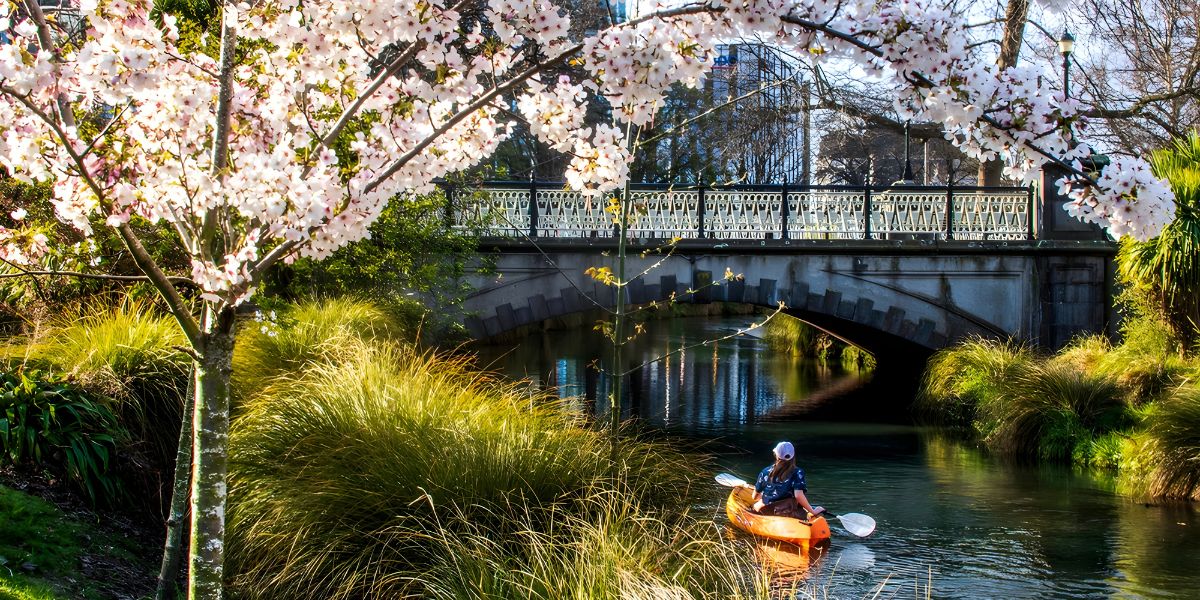
🥾 Go outside. Non-negotiable. New Zealanders of all ages spend time in nature as a matter of course — hiking (called “tramping”), surfing, cycling, fishing, camping, or simply sitting by the water with fish and chips on a Friday evening. DOC (the Department of Conservation) maintains over 13,000km of tracks across the country. There are no excuses.
🏉 Learn something about rugby. You don’t have to love it. But knowing who the All Blacks are, being able to watch a game without looking confused, and understanding that the haka is not a warm-up routine — it is a challenge, a declaration, something ancient and alive — will take you a long way. World Rugby consistently ranks New Zealand among the top 3 teams in the world for a reason.
🪶 Engage genuinely with Māori culture. Te Reo Māori is an official language of New Zealand under the Māori Language Act 2016, and you’ll encounter it everywhere — in place names, greetings, news, and daily life. It is not a tourist feature. It’s a living culture woven into what New Zealand is. Learn a few words. Try to pronounce place names correctly. Te Ara is an excellent starting point. Approach Māori culture with genuine curiosity and respect, and you’ll find that reciprocated generously.
🧍 Queue properly. People here do it correctly. They expect the same of you. This is not a minor cultural footnote.
👨👩👧 Moving with Kids
New Zealand’s state school system is free for residents and citizens. According to the OECD Education at a Glance 2024 report, New Zealand consistently performs above average for reading and science literacy outcomes. The environment tends to be relaxed, outdoor-focused, and noticeably less pressured than school systems in many other countries. Your kids will spend more time outside than you’re used to. This is not a complaint.
Early Childhood Education is subsidised for children aged 3, 4, and 5 under the 20 Hours ECE scheme — which meaningfully reduces childcare costs. Quality is high; ECE is taken seriously here as a developmental stage, not just parking your child somewhere for the day.
🧠 The Adjustment Period (Because There Will Be One)
No honest guide skips this. The first few months will have a wobble in them. Maybe several. You’ll have days where you feel like the bravest person you know, and days where you miss your friends, your family, your specific local coffee shop, and the exact way light hits your old city at 6 pm on a summer evening.
This is completely normal. It is not a sign that you made the wrong decision.
InterNations research consistently shows that the hardest part of any relocation isn’t logistics — it’s the social rebuild. Making new friends as an adult is awkward for everyone, everywhere. New Zealand is no different. But it is a country where people tend to actually mean it when they say “we should catch up.”
Be patient with yourself. Say yes to things. Get outside more than you think you need to.
And for the record: pavlova is New Zealand’s. This is settled. We are not doing this.
✅ Your Pre-Departure Checklist
- ☐ Visa approved, passport checked for expiry date
- ☐ IRD number applied for at ird.govt.nz
- ☐ Bank account opened or ready to open on arrival
- ☐ KiwiSaver details noted for first payroll
- ☐ Accommodation sorted — permanent or at least a landing pad for week one
- ☐ Health insurance researched and sorted
- ☐ Shipped goods or home storage arranged
- ☐ Goodbyes said (for now), flights booked, one deep breath taken
🎯 Conclusion: So, Are You Actually Doing This?
Here’s the thing nobody says loudly enough: relocating to New Zealand is genuinely one of the more manageable big moves you can make. The country speaks English. The institutions work. The people are welcoming. The infrastructure — while imperfect — functions. You are not moving somewhere that will require you to reinvent yourself from scratch, just somewhere that will quietly invite you to reprioritise.
The visa process can be slow, and the rental market can be brutal, and the first winter in a New Zealand house will teach you things about the word “cold” that you previously thought you already knew. None of that is nothing. But it’s all solvable — and people with far less information than you now have do it every single year.
What New Zealand offers in return is harder to put in a table. It’s a pace of life that doesn’t feel like a compromise. It’s the sense — genuinely rare in 2026 — that the place you live is working with you rather than against you. It’s finishing work on a Friday and being thirty minutes from a mountain, a beach, or a trail, and actually going there instead of just meaning to.
The paperwork is annoying. The peas are expensive. The first few months are harder than the Instagram posts of people who moved before you make it look. But the mountains are right there. The coffee is genuinely excellent. Nobody is going to honk at you in traffic.
All that’s left is booking the flight.
If you enjoyed this guide, Get Visa Info has plenty more on visas, immigration, travel planning, destinations, food, and the small details nobody warns you about until you’re already at the airport.